


Reduced Android Memory Requirements – Shipping Premium User Experience with Less DRAM
10/08/2026Reduced Android Memory Requirements – Shipping Premium User Experience with Less DRAM
10/08/2026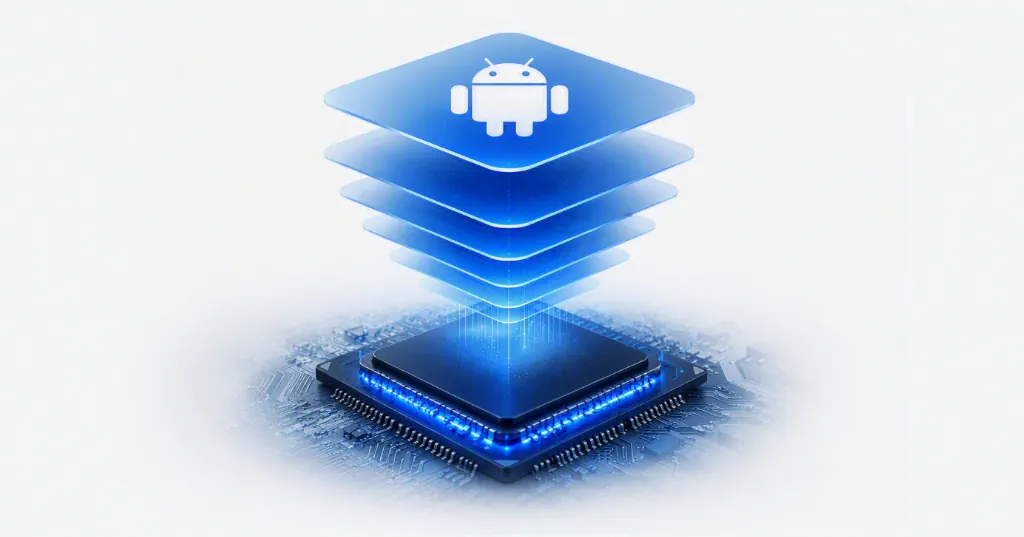
Lausanne, Switzerland – August 19th – iWedia, a leading provider of software solutions for connected TV devices, today announced a major milestone in Android platform optimization with the successful delivery of a premium TeleOS user experience for Reliance Jio on low-memory hardware platforms.
Device memory costs continue to be of utmost importance in the industry forcing the operators to maximize the value of deployed hardware. iWedia has demonstrated how advanced Android memory optimization techniques can significantly reduce platform memory requirements while preserving the TV user experience expected from modern smart TV ecosystems. The achievement reinforces the growing role of software innovation in extending device lifecycle and improving platform capabilities without requiring hardware redesign.
For operators managing millions of devices, memory efficiency has become a strategic challenge. TV platforms continue to evolve, introducing richer user experiences, more sophisticated applications, expanded operator functionality, and increasingly demanding system services. At the same time, operators must balance performance expectations with hardware cost constraints, as well as the reality of supporting devices that remain in the field for many years.
Rather than relying solely on higher memory configurations or accelerated device replacement cycles, iWedia applies a structured optimization methodology focused on reducing the Android RAM footprint across multiple layers of the software stack. The approach combines detailed memory profiling, runtime component analysis, graphics memory optimization, memory-management tuning, service architecture optimization, and application-level improvements. The objective is to identify where memory is consumed, determine which components are essential to the product experience, and optimize the platform while preserving stability, compliance, and user experience.
By taking a platform-wide approach, operators can achieve meaningful memory reductions (1GB or more, depending on configuration) while maintaining the premium experiences users expect from modern TV devices. The result is a platform that operates more efficiently, maintains responsiveness , and remains capable of supporting advanced operator services and applications. The structured optimization process also helps create a roadmap for future device generations while maximizing the value of existing deployments.
Nikola Teslic, CTO of iWedia, says: “The conventional answer to reducing BOM costs is hardware redesign. Our work demonstrates that software can deliver the same outcome. What we achieved through our optimization work with Reliance Jio – a 50% reduction in DRAM requirements – provides OEMs with the flexibility either to reduce BOM costs by adopting a lower-capacity DRAM device with the same pinout, without any hardware redesign, or to reinvest the reclaimed memory into richer user experiences and next-generation features.”
Looking ahead, iWedia expects Android DRAM optimization to become an increasingly important capability for telecom and Pay TV operators. As Android platforms become more sophisticated and device lifecycles continue to lengthen, operators will need new approaches to balance premium experiences, platform stability, hardware efficiency, and total cost of ownership. By combining platform expertise, deep Android engineering knowledge, and proven optimization methodologies, iWedia helps operators maximize the performance of their deployed device fleets while reducing pressure for premature hardware refresh cycles.